

Screen printing processing technology, also known as screen printing technology, is a major printing method in stencil printing.
1. Screen printing file output;
In the early stages of design, designers come up with their desired graphic effects and then convey them to the manufacturer through documentation.
In screen printing production, monochrome or multi-color overprinting is commonly used, and it is necessary to make comments on the document in the early design stage. The document format is preferably a vector file. If the graphics are small or the clarity requirements are low, a high-definition image format can be provided.
2. Film production;
Film, photosensitive film and film used in photography, film used in movies, generally refers to film, but can also refer to the negative film used in printing and plate making.
The film in screen printing is like the film of a photograph, except that the film in screen printing changes the developing carrier from photo paper to a screen coated with photosensitive adhesive.
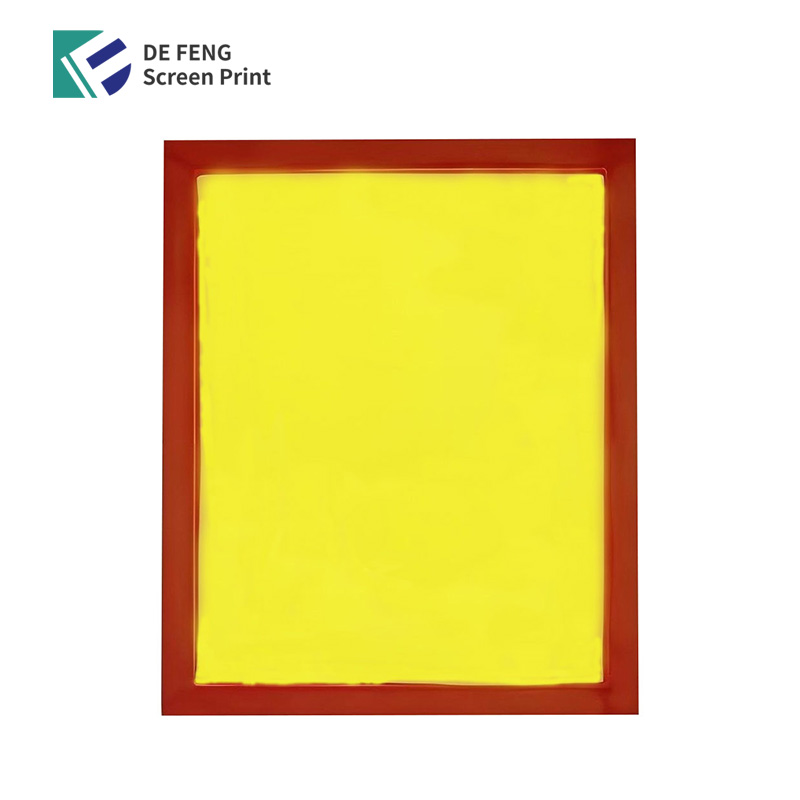
3. Production of screen printing screen boards;
The specific process of making the mesh board:
Mesh frame stretching → plate making and sizing → exposure → mesh plate washing
4. Color printing:
The color of silk screen printing is basically determined in the early stages of design, but it is best for the designer to provide a color palette, which requires the designer to mix it themselves first. The ink for silk screen printing is similar to the pigments for painting.
When printing, ink is poured into one end of the screen printing plate, and a scraper is used to apply a certain pressure to the ink area on the screen printing plate. At the same time, the ink moves at a constant speed towards the other end of the screen printing plate. During the movement, the scraper presses the ink from the mesh of the graphic and text parts onto the substrate.
5. Curing of Ink:
There are many ways, and the most common ones are through drying, volatilization, and UV curing.
Ink with different curing methods can bring different gloss and properties after printing, such as durability (mechanical resistance, chemical resistance, weather resistance), and prices also vary. Therefore, in the early stage, it is necessary to choose the appropriate ink based on cost.